The PLG Ceiling
Organic installs dried up and it looks like a product problem. It probably isn't. Here's how to recognize when your Shopify app has hit the PLG ceiling.
TL;DR
If your Shopify app grew steadily for years and then went flat, the cause is usually distribution, not the product. You’ve already captured the merchants who were actively searching for what you built, and that pool is finite. The fix isn’t more features, it’s outbound: paid ads, content that reaches merchants before they search, and partnerships with the agencies and apps they already trust.
Who This Is For
Technical Shopify app founders whose install numbers grew on their own for years and have recently gone flat.
The Core Problem
A Shopify app with a solid product, good reviews, and no obvious bugs stops growing, and shipping more features does nothing to restart it.
Four years of steady installs. Then six months of nothing.
The product hadn’t changed. Reviews were strong. No major bugs. The numbers were flat.
The founder’s first instinct: something must be wrong with the app. AI is eating the category. Shopify is building native features. The algorithm changed.
Reasonable guesses. Probably wrong.
What actually happened: the app ran out of ready buyers.
How PLG works, and why it stops
Product-led growth works because merchants search for solutions. They have a problem, they go to the Shopify App Store, they find you, they install. You didn’t have to sell them. They were already looking.
This works until it doesn’t.
The pool of merchants who are actively searching for what you built is finite. Once you’ve captured most of them, or a competitor has, installs slow. The niche doesn’t get bigger just because you’re in it.
That’s the PLG ceiling. The product is fine. The distribution model has run its course.
What it looks like from the inside
When you hit the ceiling, the symptoms look exactly like a product problem.
Conversion rates soften. Reviews plateau. You start hearing that competitors have caught up. Shopify announces something adjacent. Someone posts that AI will replace apps like yours.
So you ship. New features, better onboarding, improved UI. Maybe a price adjustment.
The numbers stay flat.
That’s the ceiling doing its job. You’ve already captured the merchants who were searching. The ones who haven’t found you yet aren’t searching, so no amount of product improvement gets them to you.
Why flat growth is usually a distribution problem
A flatline after years of growth is almost always a distribution problem wearing a product problem’s clothes.
The app hasn’t gotten worse. It has exhausted its pool of ready buyers. Everyone searching for what it does has already found it, or found a competitor. The product is fine. The channel has run out.
What comes next
The next stage of growth, after PLG, is always outbound. That means reaching merchants who don’t know they need you yet.
Ads. Content that surfaces in merchant communities before they’re searching. Partnerships with agencies, other apps, or people merchants already trust.
All of this is uncomfortable for technical founders. It requires budget, repetition, and showing up in places where the ROI isn’t clean. It feels inefficient compared to the signal of an organic install.
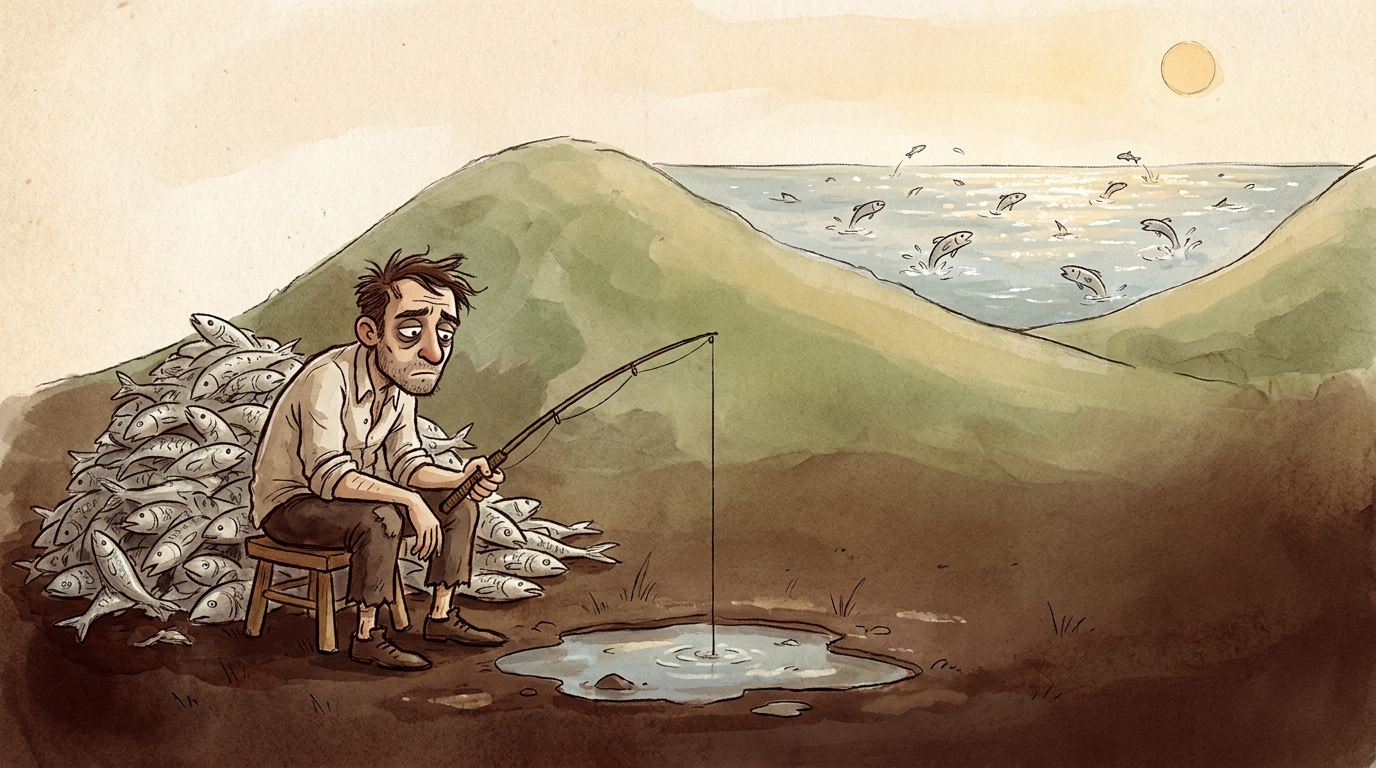
But the alternative is fishing a pool that’s already been fished.
What changes when founders break through the ceiling
Founders who break through the ceiling tend to have the same moment: they stop waiting to be found.
They didn’t give up on the product. They realized the product was never the constraint. The constraint was always who knew it existed.
If your growth is flat and your product is solid, that’s the question worth sitting with: who doesn’t know we exist, and how do we reach them?
FAQ
How do I know if my Shopify app hit the PLG ceiling? Look for a long flatline after years of organic growth, with the product still solid and reviews still strong. If new features and onboarding fixes don’t move the numbers, the constraint isn’t the product. It’s that you’ve already reached the merchants who were searching for you.
Is flat install growth a product problem or a marketing problem? Almost always distribution. Product-led growth depends on merchants searching for a solution and finding you, and that pool of active searchers is finite. Once it’s captured, the product can be excellent and growth still stalls.
What should I do after product-led growth stops working? Move to outbound: paid ads, content that reaches merchants before they search, and partnerships with agencies and trusted apps. The goal is reaching people who don’t yet know they need you. It’s slower and less clean than an organic install, but it’s the only pool left to fish.
Will adding more features fix flat growth? Usually not, if you’ve hit the ceiling. The merchants who haven’t found you aren’t searching, so a better product never reaches them. Features help you keep and convert the people who already arrive, not the discovery problem causing the flatline.
Does AI or Shopify’s native features explain my flat installs? Sometimes, but it’s the convenient explanation, not usually the real one. Before blaming the category, check whether you’ve simply saturated the merchants searching for your solution. Distribution saturation looks identical to a category threat from the inside.
Key Takeaways
- A flatline after years of growth is almost always a distribution problem wearing a product problem’s clothes.
- Product-led growth ends when you’ve captured the finite pool of merchants already searching for your solution.
- Once you hit the PLG ceiling, more features won’t help, because the merchants you’re missing aren’t searching at all.
- The next stage after product-led growth is always outbound: reaching merchants before they look for you.
- If your growth is flat and your product is solid, the question isn’t “what do we ship next,” it’s “who doesn’t know we exist.”
Ohad Michaeli
Strategic positioning for Shopify apps
Want more insights like this?
Join Shopify app founders who get actionable positioning and optimization strategies.